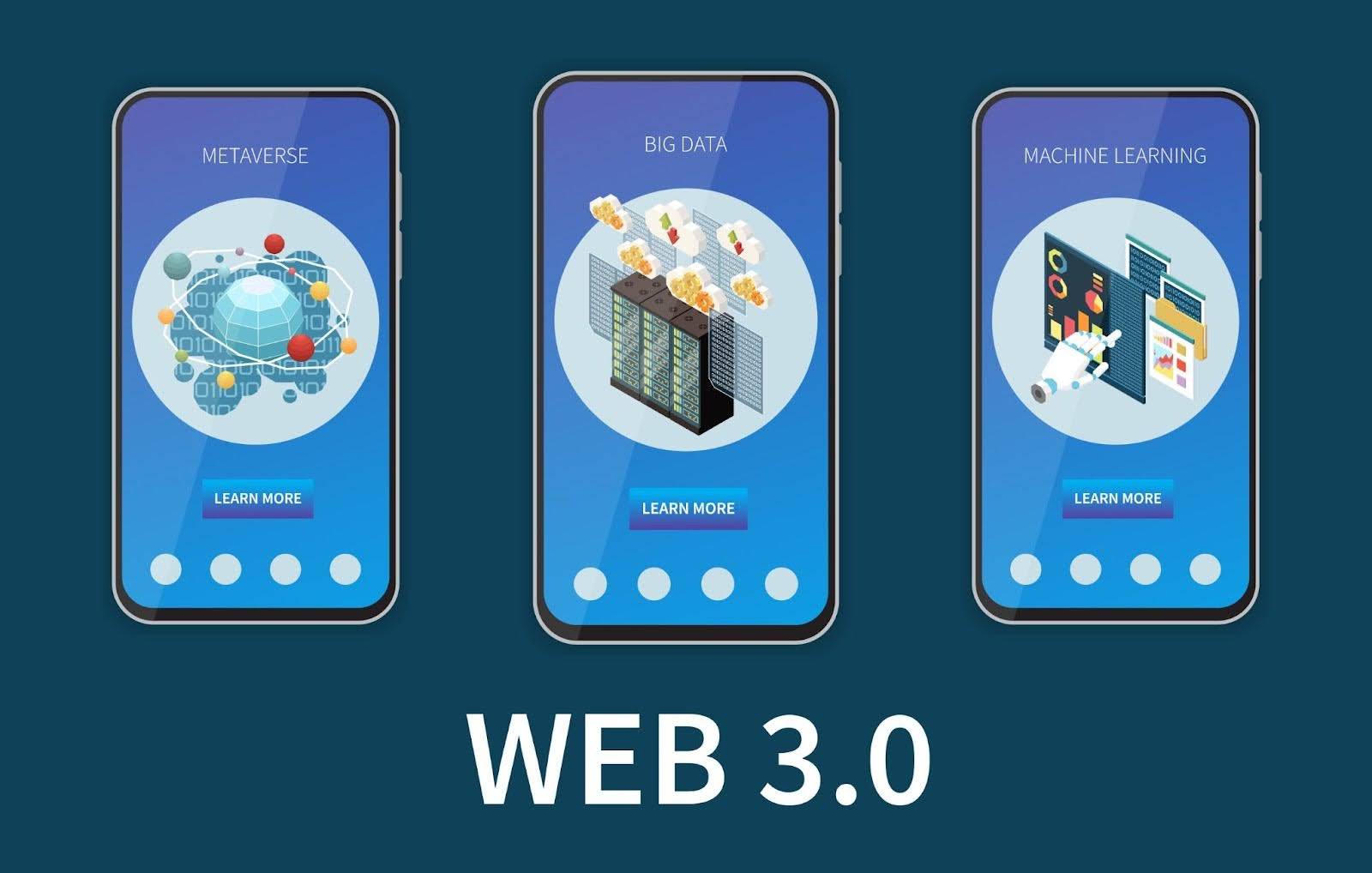
Digital customer interactions have become essential to brand engagement and retention. However, privacy concerns and repeated authentication hurdles undermine customer trust. Web 3.0 authentication introduces wallet-based login systems where encrypted identity information remains user-controlled.
Why Traditional Web 2.0 Authentication Falls Short
- Excessive data collection creates mistrust and privacy exhaustion
- Fragmented identity management forces repeated registrations across platforms
- Security vulnerabilities expose centralised databases to breaches
Web 3.0 and User-Owned Digital Identity
Unlike Web 2.0 platforms controlling user data, Web 3.0 decentralises identity. Customers prove identity without surrendering personal information. Digital wallet authentication enables frictionless access with enhanced security and complete autonomy over data-sharing decisions.
Transparent Loyalty Systems
Rather than hidden proprietary point systems, Web 3.0 makes loyalty programs genuinely transparent through blockchain-based tokens. Customers track and own verifiable rewards that function across ecosystems, adding tangible value and improving brand sentiment.
Business Benefits
- Higher conversion rates from fast, passwordless access
- Reduced costs and risks from not storing sensitive data internally
- Superior insights from consent-based, authenticated interactions
Tridentity, developed by Trident Digital Tech Holdings, provides secure login and user data ownership while enabling business trust-building through secure, privacy-first authentication.
Back to News & Events