Secure single sign-on (SSO) is an authentication method that allows users to access digital services using one verified login session. When combined with blockchain-based verification, SSO can significantly strengthen identity protection by ensuring that authentication records cannot be altered or misused.
Modern digital ecosystems rely on identity authentication across multiple systems, platforms, and applications. However, identity fraud, credential theft, and impersonation attacks remain common security risks. Combining secure single sign-on (SSO) with decentralised verification mechanisms can create stronger authentication that limits credential misuse and improves accountability.
Keep reading to learn how these mechanisms create a layered authentication model that improves transparency and security across enterprise systems and digital services.
What Secure Single Sign-On (SSO) Means in Modern Authentication
Secure single sign-on (SSO) lets users access multiple applications using one login process. Instead of maintaining separate credentials for each service, users authenticate once through a trusted identity provider.
Traditional authentication systems require users to manage multiple passwords across platforms. This increases the risk of weak password practices and credential reuse. Secure single sign-on simplifies access management while maintaining strong security policies.
A standard SSO workflow typically includes several core processes:
- The user logs in through an identity provider.
- The identity provider verifies authentication credentials.
- A secure authentication token is issued.
- Connected applications accept the token without requiring additional logins.
This authentication model improves usability while maintaining consistent security policies across systems. Organisations can also enforce centralised access controls, authentication policies, and monitoring capabilities.
Identity Fraud in Digital Ecosystems
Identity fraud is the unauthorised use of another individual’s identity credentials to access systems, conduct transactions, or manipulate digital records. This form of fraud commonly occurs through stolen passwords, phishing attacks, or compromised authentication databases.
As businesses expand their digital platforms, so does the risk of cyber threats. Fraudulent access attempts often target authentication systems because they act as entry points to multiple services.
Common forms of identity fraud include:
- Credential theft through phishing or malware
- Account takeover attacks
- Identity impersonation
- Manipulation of authentication records
Centralised authentication databases can become high-value targets for attackers as these databases may expose large volumes of identity information and credentials. This risk has led organisations to adopt stronger authentication frameworks that combine multiple security layers.
Understanding Blockchain-Based Identity Verification
Blockchain-based identity verification refers to the use of distributed ledger technology to record and validate identity data. Instead of storing authentication records in a central database, blockchain distributes records across a decentralised network.
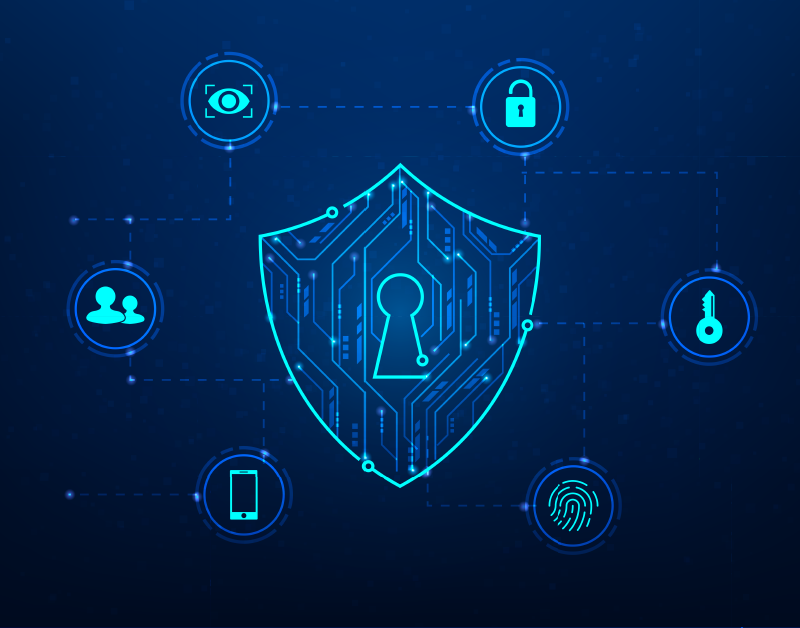
Each identity verification event is stored as a cryptographically secured transaction. These transactions form an immutable record that cannot be altered without network consensus.
Key characteristics of blockchain verification include:
- Immutable transaction records
- Decentralised validation across network nodes
- Cryptographic protection of identity data
- Transparent verification processes
Because blockchain records cannot be modified retroactively, they create a reliable audit trail for authentication events. This property can significantly reduce the risk of data tampering or unauthorised modification of identity records.
Blockchain-based verification systems are increasingly used in digital identity platforms and web 3.0 authentication frameworks.
How Secure Single Sign-On Works with Blockchain Verification
Secure single sign-on (SSO) can integrate with blockchain verification by storing authentication proofs or identity attestations on a decentralised ledger. This allows authentication events to be validated independently without relying solely on a central identity database. In a combined system, authentication typically occurs through two complementary mechanisms.
First, the SSO system verifies the user’s identity through traditional authentication factors such as passwords, biometrics, or multi-factor authentication. Second, the verification result is recorded as a blockchain transaction that acts as a tamper-resistant validation record.
This layered authentication architecture introduces several security improvements:
- Identity verification records cannot be altered retroactively
- Authentication events can be independently verified
- Access logs remain transparent and traceable
- Credential tampering becomes significantly more difficult
By combining SSO with blockchain validation, organisations can strengthen trust in identity verification processes.
Preventing Credential Misuse Through Layered Authentication
Layered authentication refers to the use of multiple security mechanisms to verify identity before granting system access. Secure single sign-on systems often include multi-factor authentication, behavioural analysis, and token-based verification.
Blockchain verification adds an additional layer by ensuring authentication records cannot be modified after verification. This layered identity architecture helps prevent several types of credential misuse:
- Use of stolen authentication tokens
- Tampering with identity verification logs
- Manipulation of user access histories
- Fraudulent creation of authentication events
Because blockchain records are cryptographically secured, attackers cannot easily alter authentication trails to hide malicious access attempts.
Immutable Identity Records and Digital Trust
Immutable identity records are authentication records that cannot be changed once they are stored. Blockchain technology enables immutability by linking transactions into sequential blocks secured through cryptographic hashing.

Each new authentication event references the previous block in the chain. If an attacker attempts to alter a past record, the cryptographic structure of the chain becomes invalid.
This immutability provides several benefits for digital identity management:
- Authentication histories remain accurate and tamper-resistant
- Compliance and auditing processes become more reliable
- Organisations can verify identity events across multiple systems
These characteristics are particularly valuable in industries where identity verification is critical.
Applications in High-Risk Sectors
Secure authentication platfroms are particularly important in sectors that handle sensitive data or financial transactions. Identity fraud in these industries can lead to severe operational, legal, and financial consequences.
Several sectors rely heavily on advanced authentication models.
|
Sector |
Identity Security Requirement |
|
Financial services |
Prevent account takeover and transaction fraud |
|
Healthcare |
Protect patient records and sensitive health data |
|
Government services |
Ensure secure citizen authentication |
|
Enterprise systems |
Manage employee access across platforms |
|
Digital platforms |
Prevent identity impersonation and fraud |
Combining secure single sign-on with blockchain verification improves transparency and strengthens authentication controls across these sectors.
Web 3.0 Authentication and Decentralised Identity Systems
In web 3.0 environments, users control their identity credentials through cryptographic keys or decentralised identifiers. These systems reduce reliance on central identity providers. Instead, authentication occurs through cryptographic verification mechanisms.
Secure single sign-on can support web 3.0 authentication frameworks by enabling seamless access across decentralised applications. Blockchain identity records ensure that authentication events remain verifiable without exposing sensitive identity data.
Web 3.0 enablement for business is becoming increasingly relevant as organisations explore decentralised digital platforms, digital asset systems, and cross-platform identity verification models.
Improving Transparency in Identity Verification Systems
Transparency in identity verification means that authentication processes can be independently validated and audited. This is essential for preventing hidden manipulation of authentication logs.
Traditional authentication systems store records in internal databases that may be difficult to audit externally. Blockchain verification changes this model by storing authentication events in distributed ledgers.
This structure improves transparency in several ways:
- Authentication events remain permanently recorded
- Identity verification logs cannot be secretly modified
- Audit processes can verify authentication history
System administrators cannot alter identity records without detection
Challenges and Considerations in Implementing Secure SSO with Blockchain
Implementing combined authentication systems requires careful design to ensure security, scalability, and regulatory compliance. Organisations must address several technical considerations when deploying such systems.
Common implementation factors include:
- Integration with existing identity management systems
- Scalability of blockchain verification networks
- Protection of private cryptographic keys
- Regulatory compliance for digital identity storage
Additionally, organisations must ensure that blockchain verification does not expose sensitive identity data publicly. Privacy-preserving authentication techniques are often required to protect user information.

Future Developments in Identity Authentication
Identity authentication technologies continue to evolve as digital services expand. Many organisations are exploring decentralised identity frameworks that allow users to control their identity credentials without relying on centralised systems.
Future developments may include:
- Self-sovereign identity models
- Decentralised identity wallets such as Tridentity
- Blockchain-based credential verification
- Cross-platform authentication frameworks
Secure single sign-on will likely remain a foundational component of enterprise identity systems. When combined with blockchain verification, these technologies can support stronger identity protection across digital ecosystems.
FAQ
What is a secure single sign-on (SSO)?
Secure single sign-on (SSO) is an authentication system that allows users to log in once and access multiple applications without repeated authentication. The system verifies identity through a trusted identity provider and issues secure authentication tokens that connected services accept.
How does blockchain improve identity verification?
Blockchain improves identity verification by storing authentication records in an immutable distributed ledger. Because these records cannot be altered without network consensus, the system provides tamper-resistant proof of identity verification events.
Can secure single sign-on reduce identity fraud?
Secure single sign-on can reduce identity fraud by centralising authentication control and enforcing strong authentication policies. When combined with blockchain verification, authentication records become transparent and resistant to tampering, which strengthens fraud detection.
What is web3 authentication?
Web3 authentication refers to identity verification methods built on decentralised technologies such as blockchain. These systems allow users to authenticate through cryptographic credentials rather than traditional username and password databases.
Why is layered authentication important for digital security?
Layered authentication improves digital security by requiring multiple verification mechanisms before granting access. Combining SSO, multi-factor authentication, and blockchain verification creates a stronger defence against credential theft and impersonation.
Strengthen Digital Identity Within Your Organisation
Secure identity authentication is becoming a central requirement as organisations manage increasingly complex platforms while addressing new fraud risks and authentication vulnerabilities.
Secure single sign-on simplifies access control while enforcing consistent authentication policies. When combined with blockchain-based verification, authentication systems gain stronger protection against tampering, credential misuse, and identity impersonation.
Organisations can benefit from stronger digital identity frameworks such as those created by Trident Digital Tec. Utilising digital identity platforms such as Tridentity can improve trust, transparency, and security across multiple digital ecosystems.
If your company would like to review how decentralised verification and authentication systems can be integrated into your existing systems, contact us to learn more.